From Nigeria to Mexico to China, cultures around the world have traditions that honor ancestors, remember the dead, and explore the connection between the living and the spirit world. This edition explores the cultural beliefs, rituals, and celebrations that share similarities with American Halloween, uncovering the stories and meanings behind each tradition.
In America, we celebrate Halloween every year, and it is a time for people to get together, dress up like their favorite princess, movie characters, or memes. Kids get dressed up and go trick-or-treating, and adults go out to Halloween parties to reconnect with their inner child. But keeping the idea of GCA being committed to uplifting cultures and how they are expressed through fashion and art, we wanted to find holidays celebrated amongst different cultures that also involve dressing up, passing on spirits, and celebrating with loved ones.
Mexico
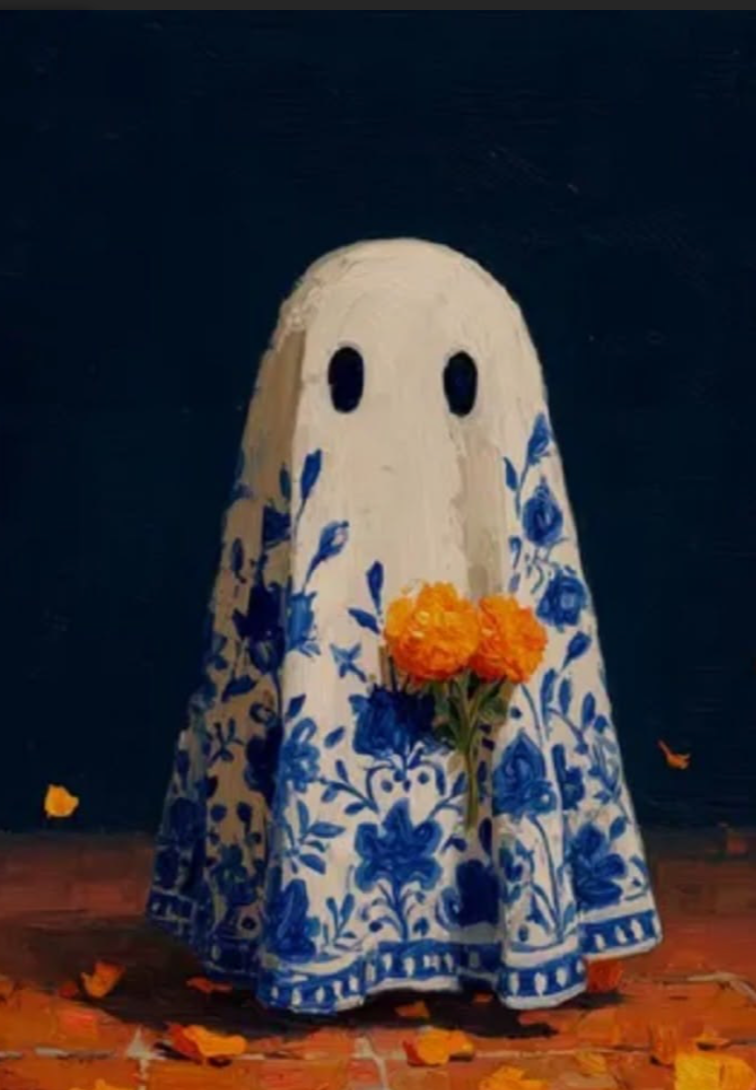
In Mexico, El Día de los Muertos is a 3-day holiday spanning from October 31st to November 2nd. The holiday’s purpose is captured in one of its staple traditions: the Ofrenda. These lovingly decorated home altars include photographs, brightly colored flowers such as marigolds, and skull-themed sweets.
Families meticulously craft these individual dedications to welcome the departed back into the home.
Where some Halloween celebrations center on fear in different ways, El Día de los Muertos strives to promote remembrance and the joy associated with it. On November 1st and 2nd of November have participants playing La Pirinola (A traditional spinning top game), watching parades, and competing in cook-offs.
And then there are the outfits Inspired by the historical character of La Catrina, the dresses worn during El Día de los Muertos adopt her skeleton motif and Victorian aesthetic. Think feminine silhouettes, puff sleeves, bright florals, ruffles and intricate patterns.
The holiday is underscored by a shared tone of comfort throughout, and our favorite example is the outfits. People literally disguise themselves as skeletons just so those who have passed might feel welcome in their homes. So maybe the halls can again be filled with their love and laughter.
China
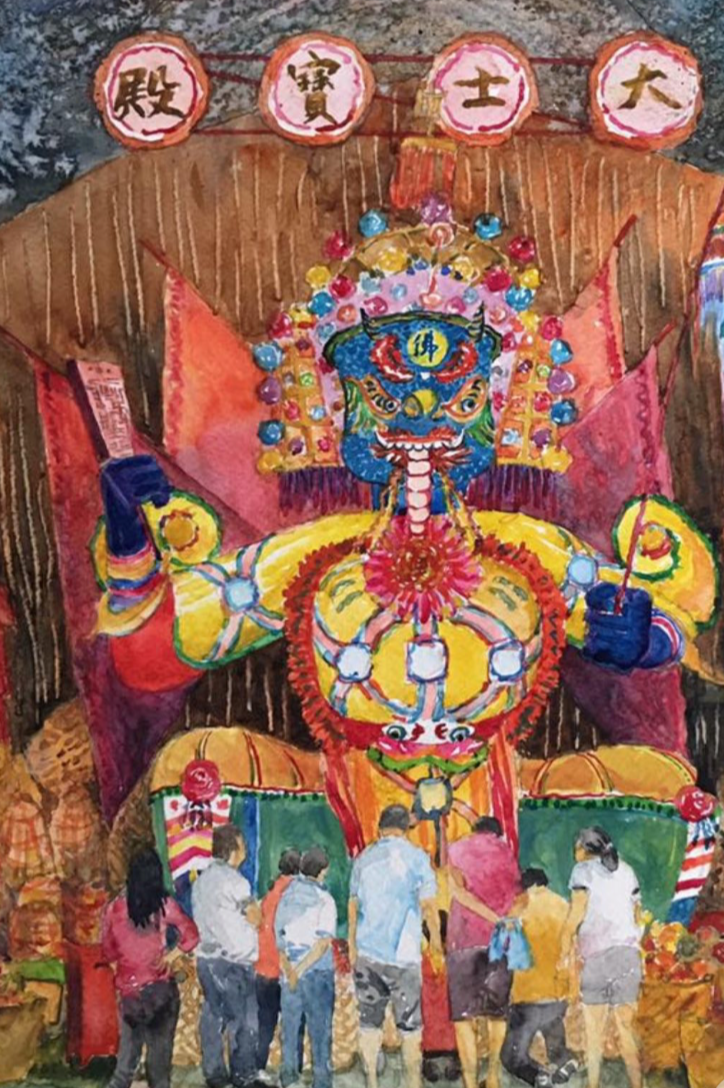
On the 15th of the seventh lunar month, usually falling somewhere around August, China celebrates its Hungry Ghost Festival. The celebration originates from Taoist and Buddhist traditions as a way to appease and honor ancestors.
They do so in a wide array of offerings and decorations that invite the spirits to take part in the festivities.
People light incense and float water lanterns on rivers and lakes to lead wayward spirits home. Bands play music to soothe them. Participants cook elaborate meals and place them out for them to scent. And artisans construct massive paper and bamboo effigies for their amusement. These artworks range from modern Tesla sedans (with charging cables), fully made out of paper, to 20-foot-tall statues of religious figures like Dashiye the King of Ghosts.
At the end of the celebrations, the food, figures, and money offerings are burned, so that they may pass from matter to spirit for the ancestors to enjoy.
The festival is rooted in respect and hospitality. As such, costumes are not traditionally a part of the holiday. People wear plain and modest clothing. No extravagant colors, no outlandish designs. They dress as if they’re receiving treasured guests, because they are. The spirits are cherished loved ones gone too soon, elders, and ancestors who smile down upon you though you may have never met them. The Hungry Ghost Festival is a time set aside to acknowledge this, spending deliberate time with those who cannot be touched, though their love is still felt.
Nigeria
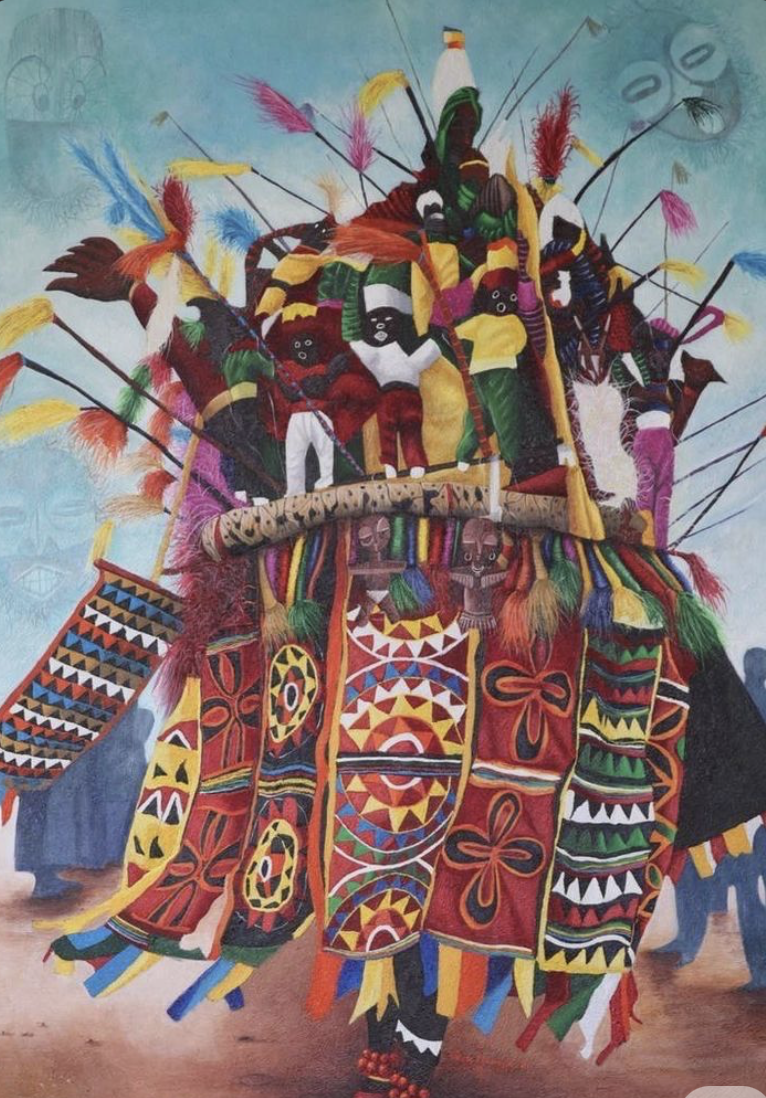
In Yoruban culture, the Egungun is a sacred masquerade wherein ancestors manifest within concealed dancers, offering blessings and guidance to the living. The practice originated in Nigeria and parts of Benin. The term Egungun translates to “bone” or “skeleton” — a nod to the foundational effects ancestors had on society and continue to have by enforcing moral order and settling disputes during these events.
As one of many masquerades important to the Yoruba tradition, the day of the Egungun features large feasts, community gatherings, and dancers. From a young age, children are taught to respect these figures. Crowds part for them, and the utmost reverence is given to any wisdom they impart.
The dancers' outfits are a beautiful blend of form and functionality. Their attire must fully hide them in order to channel the returned ancestors. This is accomplished through a multilayered design. The base is made of Aṣọ-òkè, a traditional weave of cloth strips. Cascading panels, patchworks, and lappets are then added to the base layer, creating otherworldly silhouettes. The piecemeal construction adds dynamism to the outfit, with panels flapping in the wake of the dancers' turns, blowing wind into the crowd. These gusts are known as “breeze blessings.” — favor cast from the ancestor onto the living.
The idea of compounding multigenerational design also appears in families' outfits. New textiles, beads, cowrie shells, mirrors, coins, and imported trade cloths are added to ensembles over generations, displaying a lineage’s prestige and history.
Both the dancer and the family outfits emphasize a return to the past. They ensure that the path taken to bring these people to the modern day is never forgotten. And the themes of ancestral guidance encourage people to look back at where they have been to see the way forward.
These different cultural celebrations hit home for us at GCA, we really believe in uplifting culture, are we the only ones getting tired of the same old American Halloween traditions? In looking beyond what we know we find that there are so many other celebrations happening around the world, similar to ours but with even bigger stories behind them.
We respect that most of you are not celebrating these different cultural traditions, so we want to know, what are you planning on being for halloween this year? And what are some niche traditions you have for the spooky season?
Comment your answers on the Beyond Halloween Instagram post @Gemculturalagency on Instagram!
Written by Brian King | Edited by the GEM Cultural Agency Team