A Renaissance of Our Own
What happens when a generation decides to create the spaces it wishes existed? Inspired by The Great Gatsby : A New Musical, we’re looking at Black creativity then, Black creativity now, and the people building the rooms for what comes next.
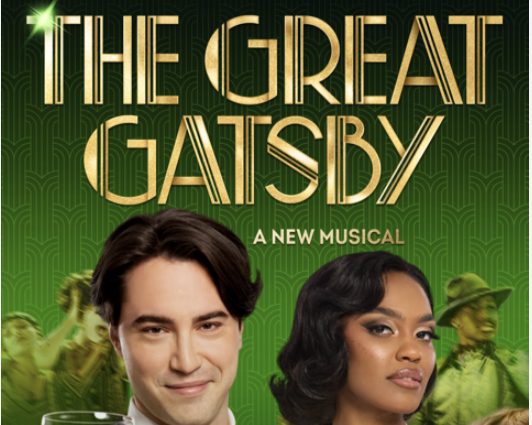
Artistry exists everywhere, and if we are lucky enough, sometimes we get to witness it as it is being created. A couple of weeks ago, the GCA team had the pleasure of reviewing The New Great Gatsby on Broadway, starring China Anne McClain as Daisy Buchanan and Corbin Bleu as Nick Carraway. And after the last curtain call, I can tell you that we sure did want an encore. Now, with this plan to go see the show in motion for a couple of weeks, we originally were going to make this newsletter about incorporating 1920s fashion trends into the fall fashion we see today. Like the fur-lined jackets and loafers that women used to wear a lot during that time (which are still trendy today, and you should wear them).
However, with the cast being filled with some of the most recognizable Black influences of our generation, we thought it was only right to speak about the reemergence of Black creativity that is happening today. How Gen Z is creating their own renaissance, history repeating itself, and what it looked like then vs. how it looks now.
A Renaissance Of Our Own
The 1920s marked a time when there was a major shift in the Black American community. We began to see looser silhouettes, shorter hemlines, women had their hair in bobs, and the freedom of movement was valued more in clothing. Bringing it closer to home for this newsletter, the Harlem Renaissance was the time period between 1918 and 1937 in the uptown neighborhood of New York formerly known as Harlem. This renaissance created a surplus of Black creativity in New York City. Through this movement, there was more self-expression through clothing and more community-organized fashion shows.
With a resurgence of Black creativity today, we are seeing event groups popping up dedicated to creating creative spaces for Black youth to come together and network. There is a common phrase online amongst Gen Z, “the people yearn for community,” which becomes so evident when you are in these creative spaces catered towards minority groups. A lot of these people often get overlooked due to lack of resources, access, and experience, but not because of a lack of talent.
A notable mention is DEEDS ONLINE, a Black-owned digital magazine that reports on a lot of Black artists and cultural events, while also hosting their own, with their most recent being a New York Fashion Week block party. There was a great turnout.
And then, of course, there are creative marketing agencies like our beloved GEM Cultural Agency. Black entrepreneurship and creative ownership aren’t new ideas. They’re part of a much longer story.
So naturally, we had to ask:
Who came before us?
A’Leila Walker, daughter of the late and great Madam C. J. Walker, the first-ever self-made female millionaire, who just so happened to be a Black woman.
During the 1920s, A’Leila was known for throwing lavish parties throughout Harlem and owning her mother’s company. An example of generational wealth created through the pursuit of creativity. While managing and expanding her mother’s legacy, A’Leila became known for hosting lavish gatherings that brought together Black writers, artists, musicians, and intellectuals. Her home became one of the many spaces where Harlem’s creative community could gather, exchange ideas, and celebrate one another.
She was also associated with the Dark Tower, a literary and cultural space on West 136th Street that became a gathering place for emerging Black writers and artists.
A’Leila Walker represents something that still feels relevant today: the idea that creating a space for other creatives can be just as powerful as creating the art yourself.
She helped build rooms where Black creativity could be seen.
Today, a new generation is building those rooms in different ways.
Through digital platforms. Through fashion. Through events. Through art. Through marketing. Through entrepreneurship. And through community.
A’Leila represents a generation that came before us the same way Moremi represents one that is coming after.
And GEM Cultural Agency sits somewhere in between—standing on the foundation of what Black creatives built before us while creating space for what comes next.
The GCA team wants to know : What creative space do you wish existed in your city?
Comment your answers on our most recent instagram post!
Tickets are available now for The New Great Gatsby Musical on Broadway @ BroadwayGatsby.com and Broadway.com!